
New World Screwworm in Mexico: Three-Month Situation Update and Threat Assessment for the U.S.
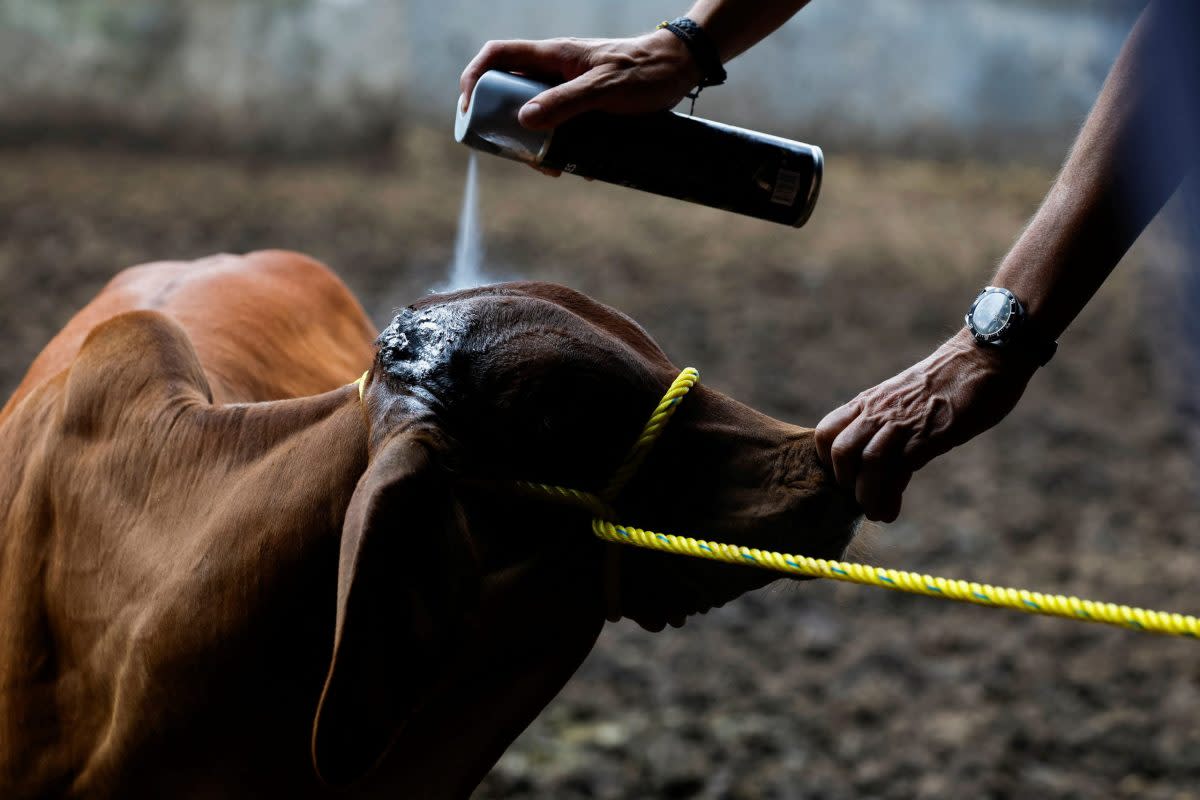
New World Screwworm in Mexico: Three-Month Situation Update and Threat Assessment for the U.S.
By Joseph F. Annelli, DVM, MS
Disclaimer: This report was developed with the assistance of AI and carefully reviewed for accuracy.
Status as of December 11, 2025
Over the past three months, New World screwworm (NWS), Cochliomyia hominivorax, has continued to spread through Mexico, moving steadily north from the original focus in the south and southeast. While there are no detections in U.S. animals or surveillance traps to date, the parasite is now close enough to the border that sustained, coordinated vigilance is essential.
1. Where Mexico Stands Now
Case counts and geography:
• Mexico reports 9,574 confirmed screwworm cases from November 21, 2024 through November 1, 2025.
• Reuters analysis (September 13, 2025) reported 6,703 cases—a 32% increase from mid‑August.
• New detections continue in central and northern states, including Puebla and Nuevo León.
Proximity to the U.S. border:
• A confirmed screwworm case in Nuevo León is approximately 70 miles south of the Texas border.
• Northward spread is partly attributed to movement of infested cattle from Veracruz and other southern states.
Human and economic impacts:
• At least 13 human myiasis cases have been confirmed in Mexico.
• A U.S. travel-associated human case was reported in Maryland in August.
• Mexican beef markets anticipate upward price pressure into 2026, partly due to screwworm‑related production losses.
2. Current U.S. Status and Response
• As of November 21, 2025, USDA reports no screwworm detections in U.S. animals or traps.
• USDA has imposed periodic suspensions of live cattle and other livestock imports from Mexico.
• A new USDA New World Screwworm Directorate has been established.
• Roughly 100 million sterile flies per week continue to be released in Mexico; a major new sterile‑fly production facility is being constructed in Texas.
3. Risk Outlook
• Modeling shows that much of northern Mexico and the southern U.S. are environmentally suitable for NWS establishment.
• Continuing detections near the border mean the risk of introduction remains significant.
• Prevention is far more cost‑effective than reestablishing eradication after an incursion.
4. Implications for NAFV Members
• Prepare for intensified passive surveillance of non-healing wounds in livestock, pets, and wildlife.
• Maintain familiarity with sampling and diagnostic protocols for suspected screwworm cases.
• Expect ongoing movement restrictions and updated border inspection procedures.
• Ensure consistent messaging to producers, wildlife managers, and clinicians.
5. Key Take‑Home Messages
1. Mexico’s outbreak continues, with spread into northern states near the U.S.
2. The United States remains screwworm‑free, but the risk of introduction is real.
3. USDA is significantly increasing capacity, surveillance, and sterile‑fly release programs.
4. NAFV members play a crucial role in surveillance, diagnostics, and stakeholder communication.
References
1. USDA APHIS updates on New World Screwworm surveillance and response.
2. Reuters reporting on case counts and outbreak progression (September–November 2025).
3. Mexico Secretariat of Agriculture (SADER) official screwworm situation reports.
4. CDC travel-associated human myiasis advisory updates.
5. U.S. Federal Register notices on import restrictions and mitigation protocols.
6. APHIS announcements on sterile fly release expansion and new Texas production facility.